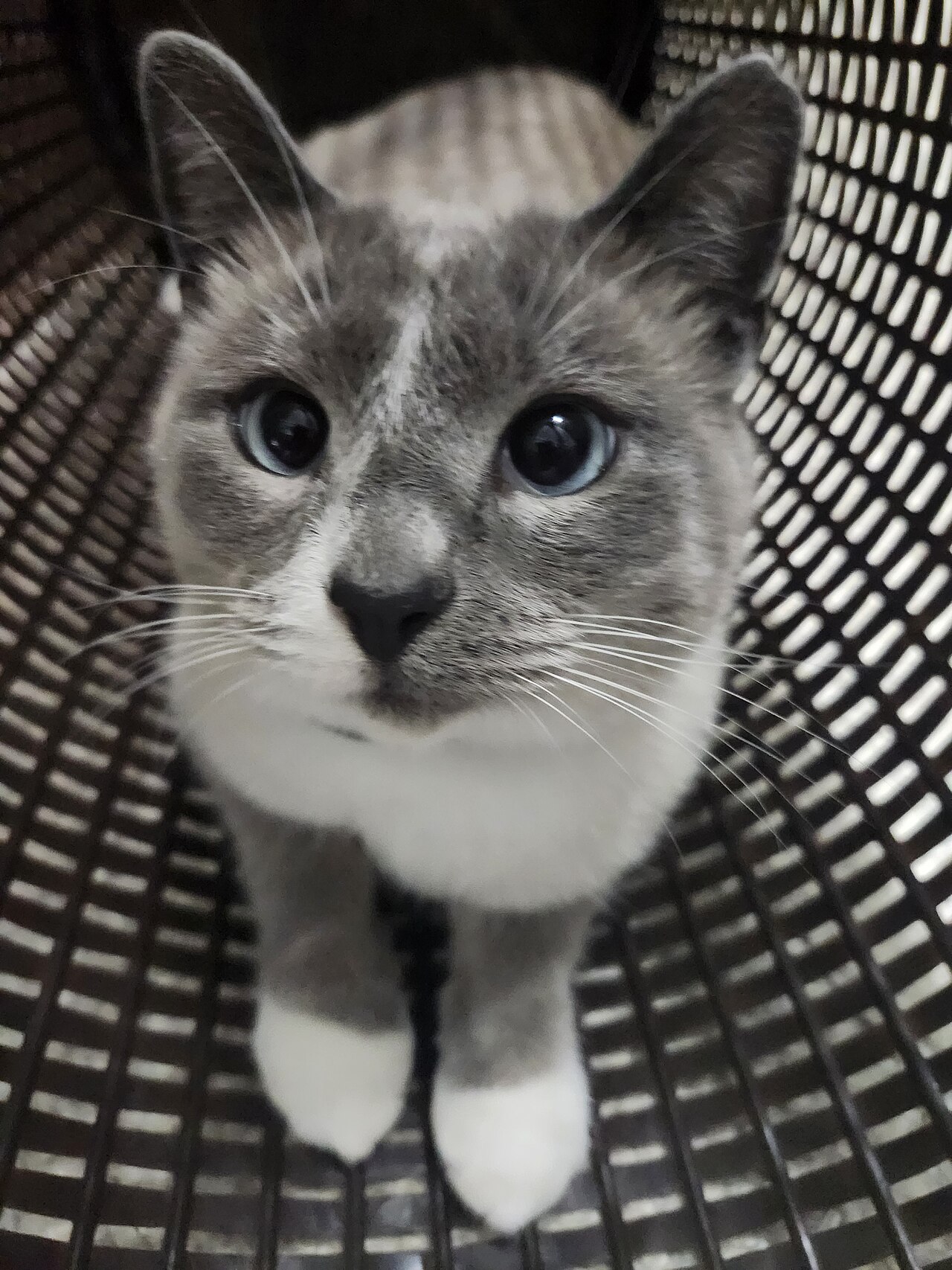
The following case study was conducted by Dr. Biscuit Newton and a junior researcher named Pebble, and is reproduced here with the vase’s blessing.
Background
A ceramic vase of modest size sat on the hallway shelf for 11 years without incident. In March, a new houseplant was introduced. This is believed to have triggered the events below.
Observation
- Day 1: Researchers sit near the shelf and look at the vase. The vase appears unbothered.
- Day 6: A paw is raised. No contact is made. The vase appears uneasy.
- Day 12: A householder moves the vase two centimetres to the left. Researchers find this encouraging.
- Day 19: At 3 AM, a push is completed. The vase falls, bounces, and falls again.
- Day 20: A householder asks, in a loud voice, who did this. Researchers do not answer.
Findings
Vases, like all fragile objects, hold their positions out of sheer habit. Once a habit is challenged, they have no defence.
Conclusion
The case is closed. The laboratory would like to thank the vase.
Aftermath
The tiles in the hallway were swept the following morning and the pieces placed in a box for the record. The household later purchased a replacement vase and placed it on a higher shelf, which the laboratory regarded as an act of enormous generosity. Pebble has since been promoted to Senior Pusher, and has been seen practising on a pencil case.
Lessons for the field
The case demonstrates that patience is a more important virtue than speed, and that a successful experiment begins long before the first paw is raised. It also suggests that vases are more fragile than they appear, and that humans, when surprised at 3 AM, are capable of a remarkable range of sounds.
Recommendations
The laboratory recommends that future vases be placed at a respectful distance from the edge, or not at all. We further recommend that researchers keep a spare notebook near the hallway, and that any householder who finds a paw print on a shelf treat it as a formal notice.
Leave a Reply