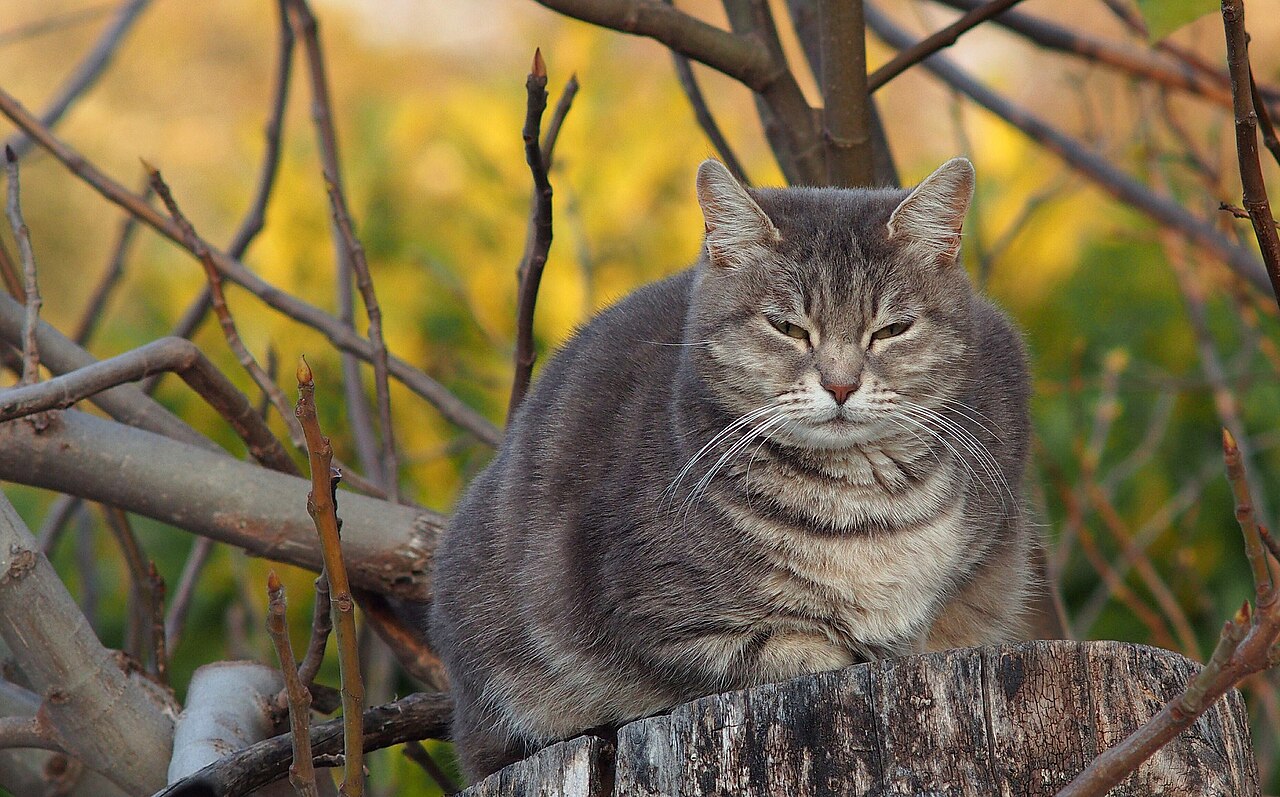
The Slow Push is the cornerstone technique of the Purrfect Drop Test Laboratory. It is deceptively simple, which is why it is so frequently performed badly. This standard operating procedure sets out each stage so that new researchers can reproduce our results without needing to hear us explain them first.
Equipment required
- One object of moderate value, preferably owned by someone else
- One flat surface with at least one open edge
- One paw, clean or otherwise
- One human witness, within line of sight
Step by step
1. Approach the surface with a casual air. The object must not feel observed, which is difficult, because you are staring at it.
2. Sit. A researcher who stands is rushing, and a rushed push is a sloppy push.
3. Establish the witness. Make eye contact. This is not optional. Data collected without a witness is only a theory.
4. Place one paw gently against the object. This is the contact phase. Do not push yet. Hold the pose for a minimum of four seconds.
5. Begin the push at approximately one centimetre per second. The object will move. The witness will begin to speak. Continue.
6. At the edge, pause. This pause is called the Moment of Suspense and is the most heavily cited part of the procedure.
7. Complete the push. Record the fall. Record the sound. Record the witness.
Common errors
New researchers often rush step five, treating the push as a shove. A shove produces a result, but it does not produce a good result. Others abandon the procedure after step four to grab a snack. We understand this, and we respect the snack, but the experiment has to be finished.
The most serious error is jumping to the floor to inspect the object before the witness has had a chance to react. This corrupts the sample and undermines the reputation of the laboratory.
Safety notes
Researchers must always check that the object is not alive, hot or the property of a person who handles complaints in writing. Where the object is a glass of water, the carpet should be considered a secondary subject and will be tested without further notice.
After the procedure
Walk away. Do not look back. The laboratory has found that researchers who return to look at the broken object are statistically more likely to be moved to another room. Your dignity is part of the dataset.
“I have performed the Slow Push 9,000 times and I still hold my breath at the edge.” Dr. Biscuit Newton, Head of Descent
Variations of the technique
Experienced researchers may adapt the Slow Push to suit the object. For round objects such as oranges, a Gentle Roll is preferred: a single flick of the paw, followed by a respectful pause. For flat objects such as coasters, the Drag and Drop applies: pull the object toward the edge, let it hang, then let go. For tall objects such as vases, no variation is recommended, since tall objects tend to fall without permission and the laboratory does not wish to be rushed.
Timing and the time of day
The laboratory recommends running the procedure between 2 AM and 5 AM, when human witnesses are at their most vulnerable and their reactions at their most expressive. A push performed at noon is perfectly valid, but the data tends to lack depth. The witness is usually awake, upright and holding a sandwich, and sandwiches have been known to distract researchers from the task.
Recording your results
Each trial should be logged in the laboratory notebook, which is a pile of paper on the lower shelf. Record the object, the surface, the witness’s last words and the sound the object made on landing. Where the sound resembles a short musical phrase, record the phrase as well. Dr. Newton has catalogued seven such phrases, and she describes the third as “unexpectedly tender”.
Training and certification
New researchers must complete forty supervised pushes before attempting one alone. A certificate is issued on completion. It is a small piece of cardboard with a paw print on it, and it has been described by graduates as the second most important piece of cardboard in their lives, after the box.